


Creating Microsoft Fabric Sandbox Capacities Chatbot
If your organization wants to learn or test Microsoft Fabric capabilities but you are afraid of the cost or capacity management, the solution might be time-based ephemeral capacities.
If your organization wants to learn or test Microsoft Fabric capabilities but you are afraid of the cost or capacity management, the solution might be time-based ephemeral capacities.

If your organization needs a place to learn building and test Azure solutions, then ephemeral sandboxes might be the answer you need.
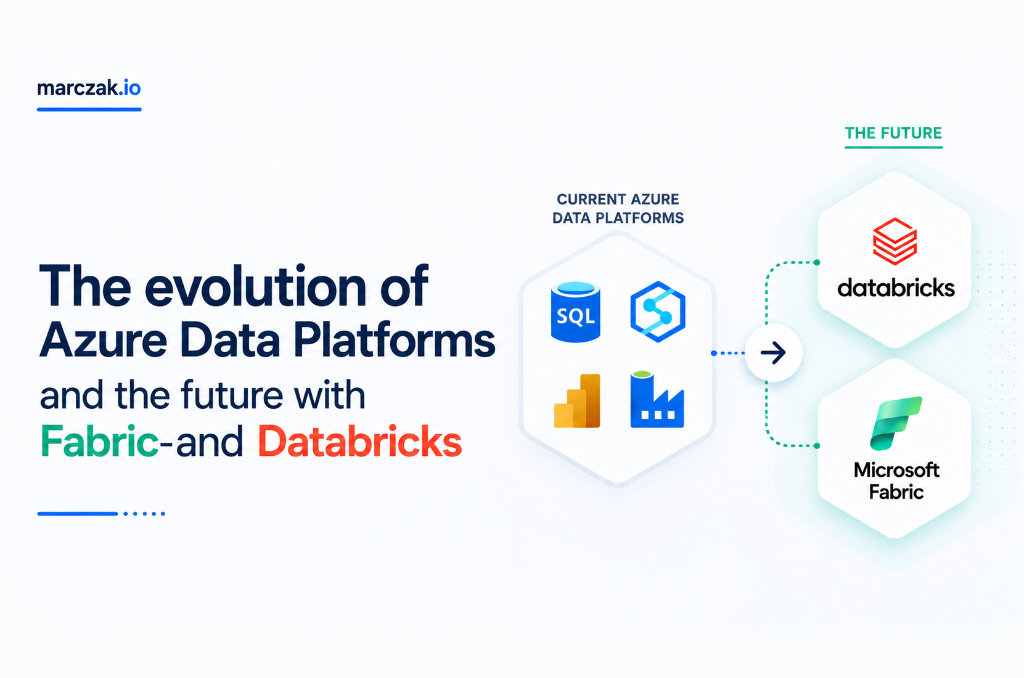

It is natural for platforms and cloud to evolve, the question is, are you and your platform ready for that?
Microsoft just added Logic Apps Automation to the mix. Technically, it’s a new SKU, but it brings so much more.


Let me tell you why I started using AI to modernize this blog. At first, it was just an expertiment, but it saved time, removed boring repetition, and let me focus on the parts that actually matter; cool examples, and opinions. :).
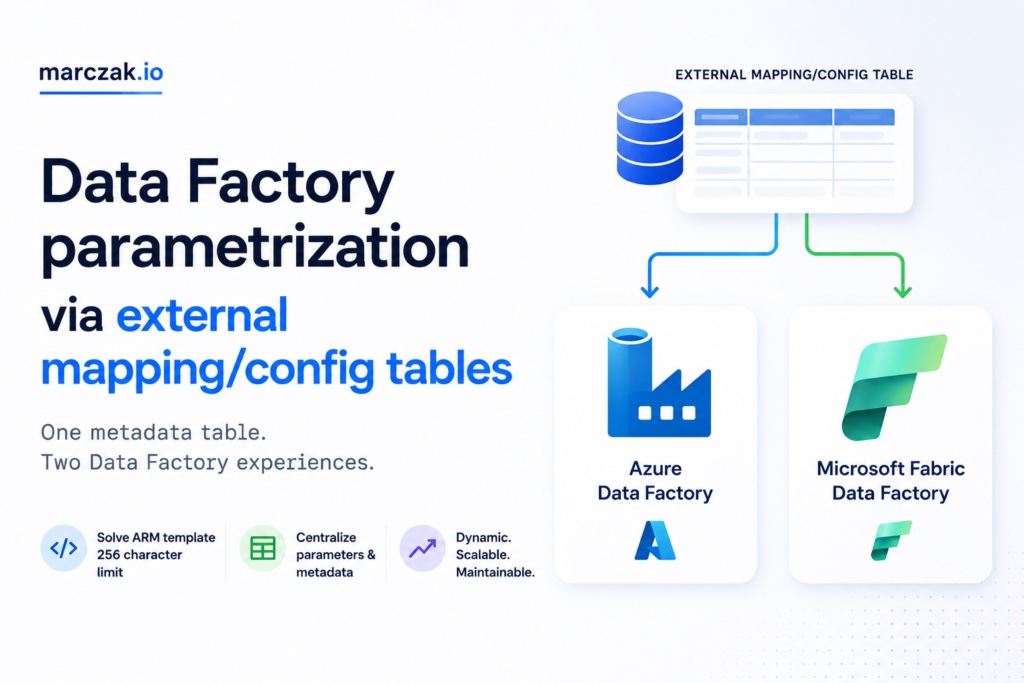
Are your tired of parametrizing dozens of pipelines via templates, maybe you want a more metadata driven approach, or simply you are hitting ADF temmplate parameter limits. If yes, this blog entry is for you.
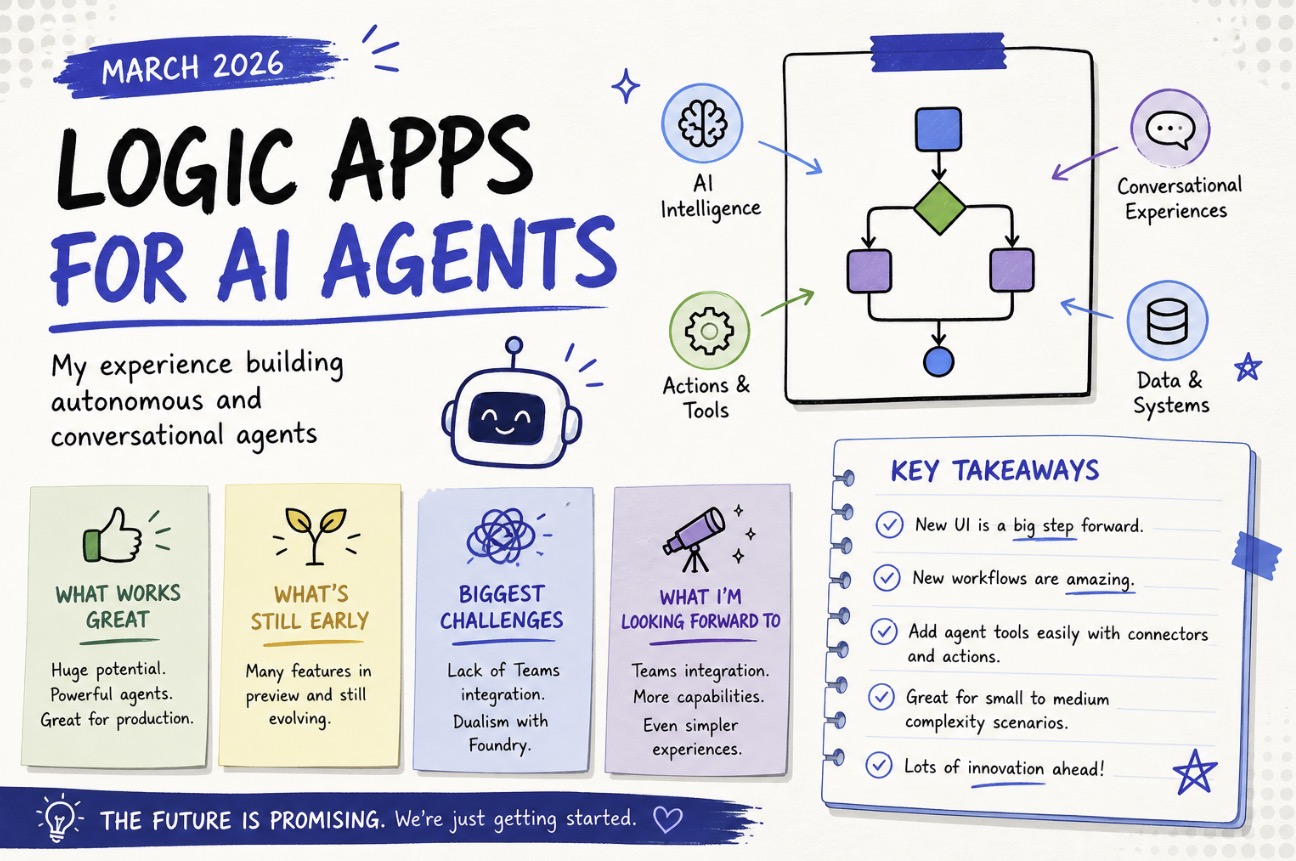
I’ve been building Logic App workflows for AI agents lately-both autonomous and conversational patterns-and the experience is interesting. This post summarizes what I found from the current documentation and my own experiments.
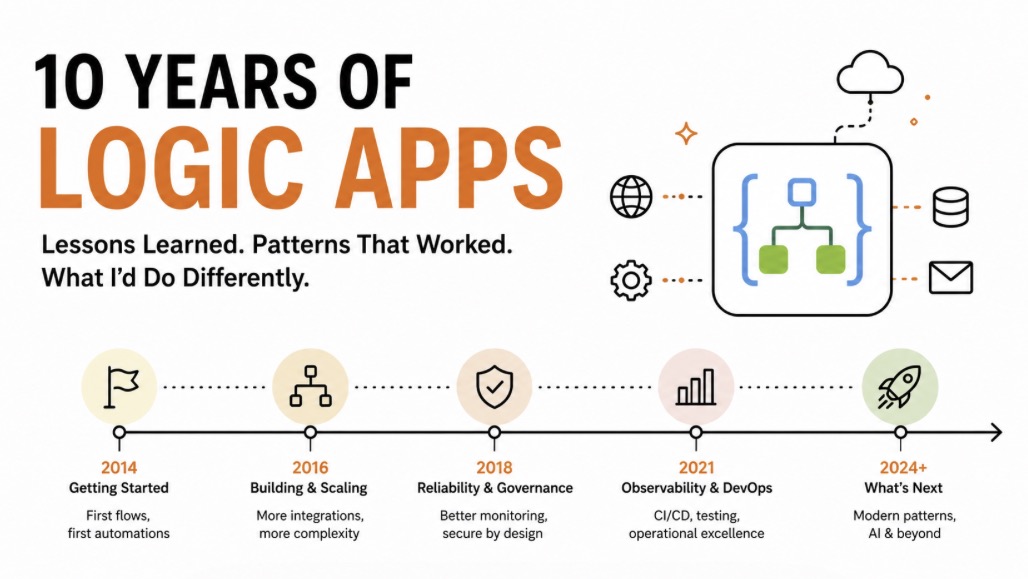
Over the past decade, Azure Logic Apps has been my go-to for building reliable, scalable integrations without the hassle of custom code. Trust me, it’s transformed how I approach automation; let me share why.
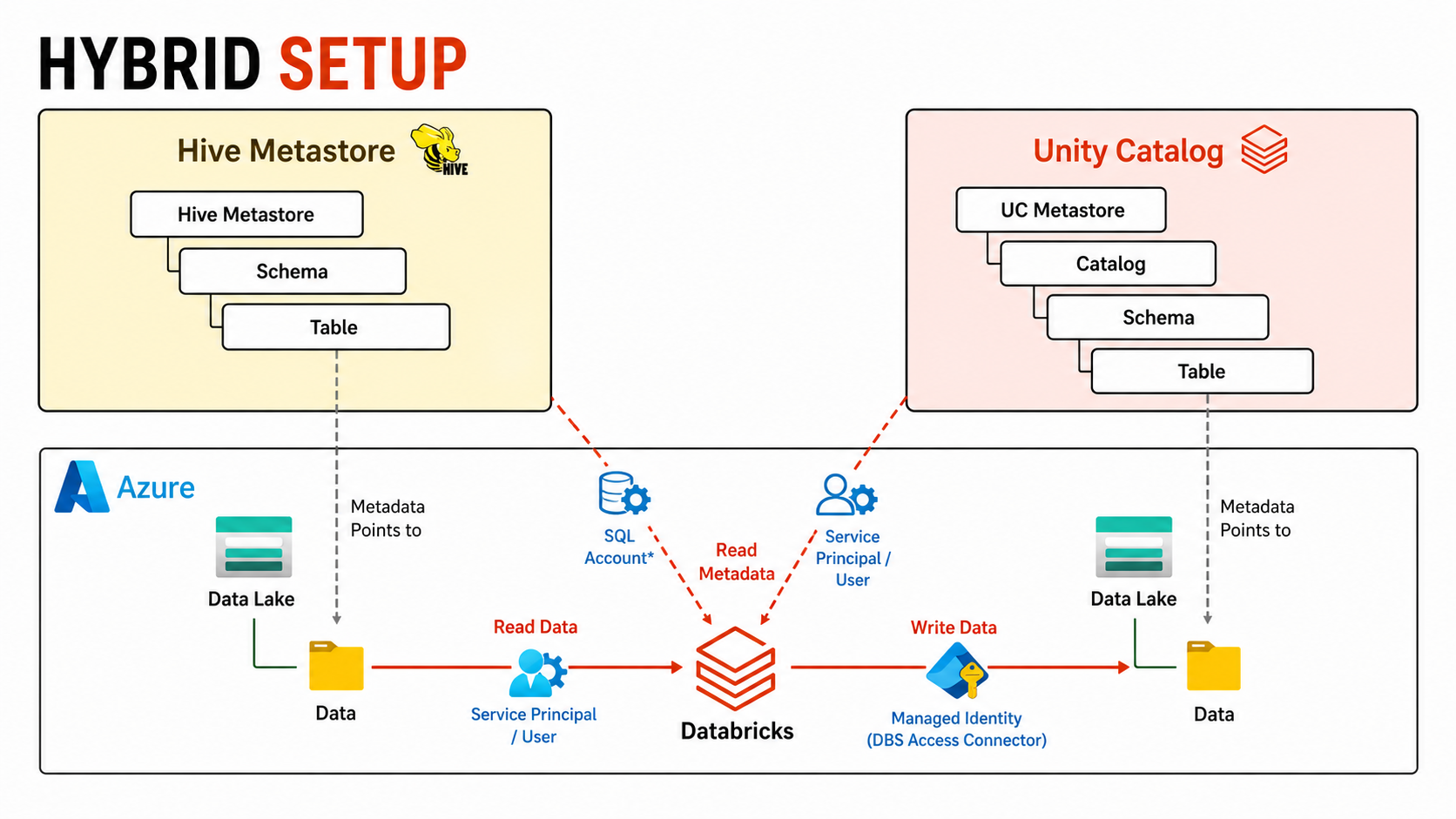
This is the final wrap-up in our Unity Catalog migration series. These are the practical tips we landed on after the migration, the ones that would have saved us time if we had known them before we started.
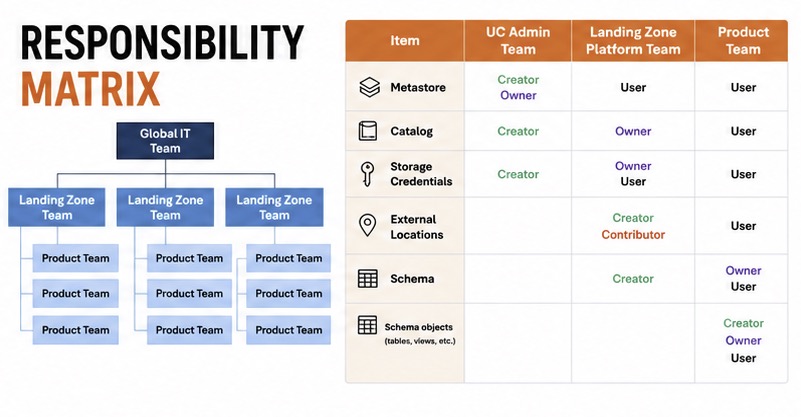
The most important migration decision was not technical. It was about teams and roles. In Unity Catalog, the wrong role model makes the whole platform hard to operate.